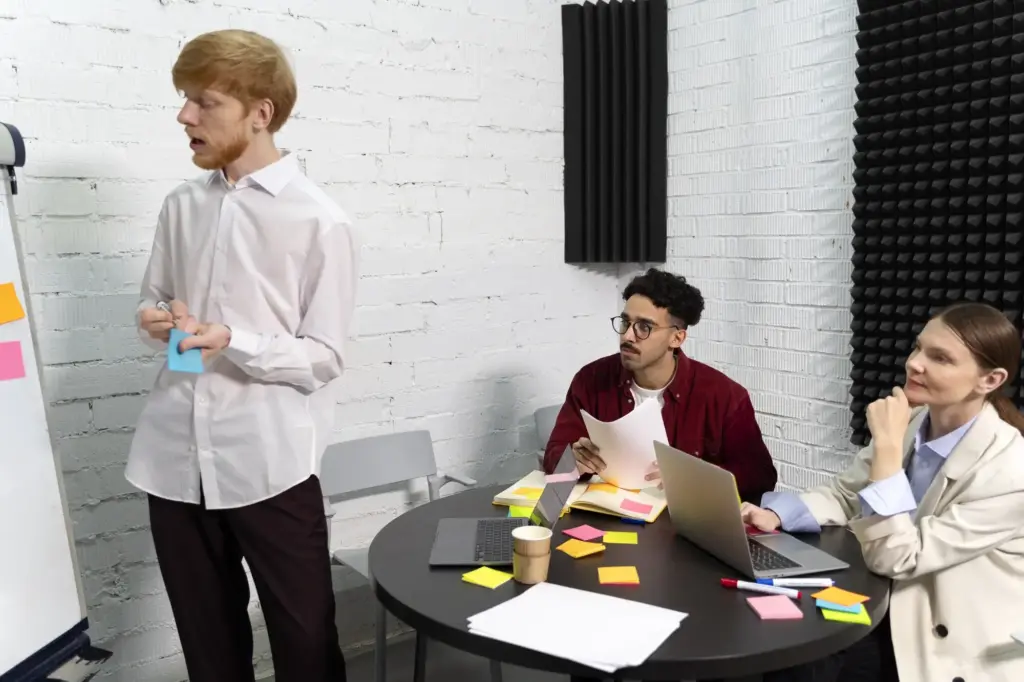
Dialogues pair slight nerves with concrete language, building sticky cues your brain can find later. Saying the words aloud, not just reading them, strengthens recall. Spaced runs, branching consequences, and debrief questions create layered memory traces that feel natural under stress instead of rehearsed or robotic.
Structured scripts lower social risk without removing urgency. Clear roles, timeboxes, and facilitator guardrails signal permission to experiment, fail, and restart. Participants feel stakes through realistic constraints and branching outcomes, yet know missteps become learning fuel, not performance reviews, inviting bolder curiosity and kinder candor.

Practice ends with translation: explicit if–then plans, language swaps, and calendar cues. Managers receive micro-prompts to notice attempts and reward progress. Peers set light accountability, celebrating tries, not perfection. These tiny systems ensure words practiced today resurface naturally during tomorrow’s pressure, meeting genuine moments with prepared care.
All Rights Reserved.